
Kangundo Road, a rapidly developing corridor connecting Nairobi to the eastern region of Kenya, has become a hotspot for real estate investment. Its strategic location, expanding infrastructure, and rising property values make it attractive to both homebuyers and developers. However, beneath the surface of this booming market lie significant environmental concerns that must be addressed to ensure sustainable growth and long-term resilience.
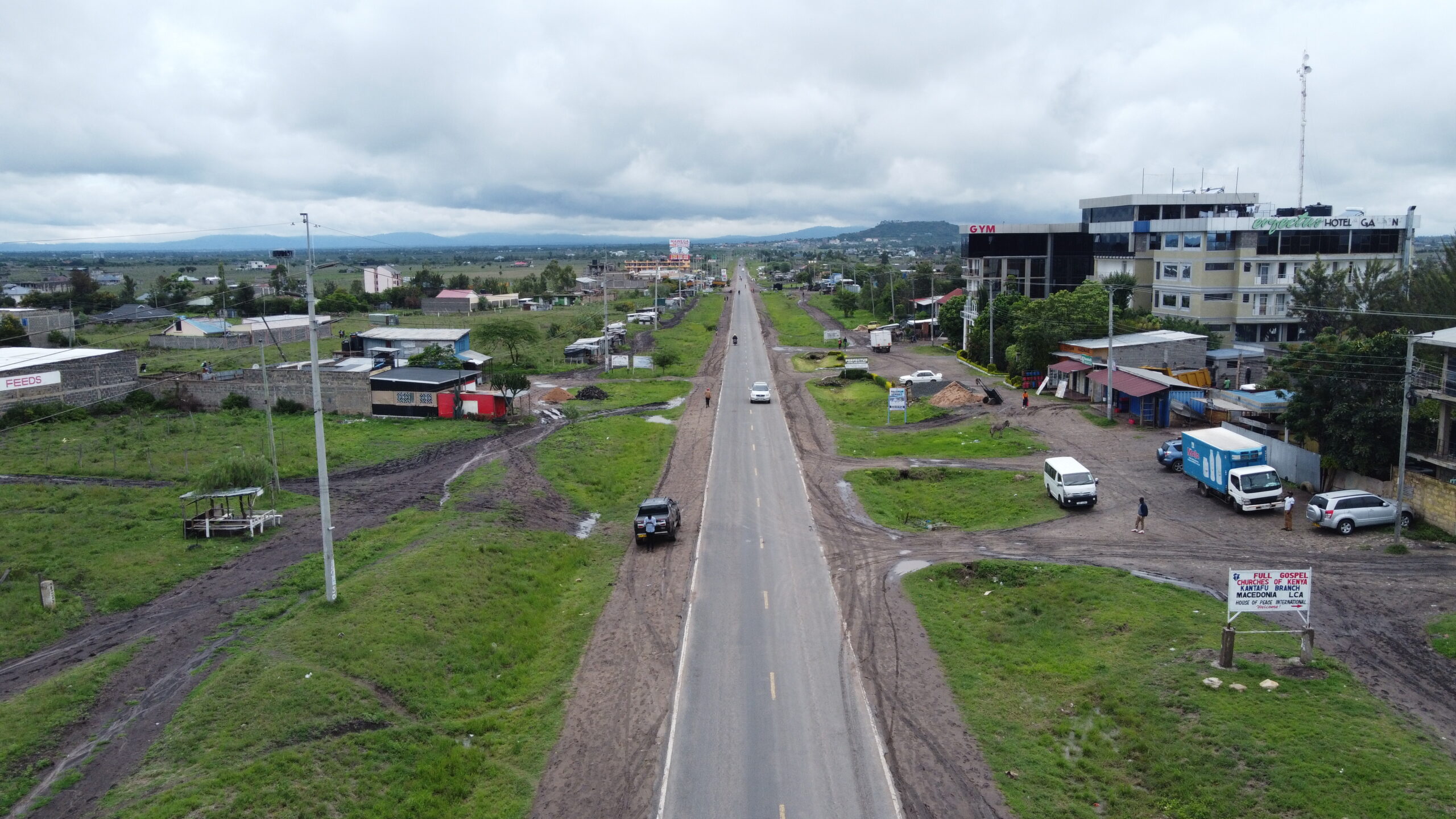
🌧️ Drainage and Stormwater Management
One of the most pressing environmental challenges along Kangundo Road is drainage deterioration and stormwater overflow. A recent study by the University of Nairobi assessed the climate resilience of Kangundo Road using hydrological and geotechnical models. It found that rainfall variability is the dominant hazard driver, with poor drainage systems significantly reducing infrastructure resilience.
Key findings include:
- Rainfall variability (mean 77.76 mm, SD 201.41 mm) poses a major threat to road and plot stability.
- Drainage deterioration and hydrological flow were identified as the most critical resilience factors.
- Excluding these factors from planning models reduced resilience scores by over 80% and 55%, respectively.
This means that plots located in areas with inadequate drainage infrastructure are at higher risk of flooding, erosion, and structural damage—especially during extreme weather events.
🌡️ Climate Change Vulnerability
The Kangundo Road corridor is also vulnerable to climate change impacts, including rising temperatures and unpredictable precipitation patterns. Although thermal variability is relatively low (mean 18.7°C, SD 0.63°C), its interaction with other hazards—such as poor drainage—can accelerate infrastructure deterioration.
The study recommends integrating grey and green engineering solutions to enhance climate resilience:
- Grey infrastructure: reinforced culverts, elevated embankments, thermally resistant pavements.
- Green infrastructure: bioswales, vegetative buffers, permeable pavements.
These measures can help mitigate the effects of climate change and improve the durability of roads and adjacent plots.
🏗️ Construction and Land Use Pressure
As demand for plots along Kangundo Road increases, so does the pressure on land and natural resources. Unregulated construction and land clearing can lead to:
- Loss of vegetation and natural buffers, increasing runoff and soil erosion.
- Encroachment on wetlands and riparian zones, disrupting local ecosystems.
- Increased pollution from construction waste and informal settlements.
Environmental Impact Assessment (EIA) reports, such as the one prepared for road construction in Kangundo Township, emphasize the need for compliance with NEMA regulations and proper land use planning.
🌍 Environmental Consciousness in Real Estate Development
Fortunately, there is growing awareness among developers and investors about the importance of environmental sustainability. Some real estate firms operating along Kangundo Road have begun incorporating eco-friendly designs and promoting responsible land use practices.
Buyers are encouraged to:
- Request EIA documentation before purchasing plots.
- Verify drainage and flood risk assessments.
- Choose developments that incorporate green infrastructure and sustainable building practices.
🛑 Risks to Property Value and Livability
Ignoring environmental concerns can have long-term consequences:
- Reduced property value due to frequent flooding or infrastructure damage.
- Health risks from stagnant water, poor sanitation, and pollution.
- Legal liabilities for non-compliance with environmental regulations.
Investors and homeowners must weigh these risks carefully and prioritize environmental due diligence when acquiring plots along Kangundo Road.
✅ Conclusion: Invest Wisely, Build Sustainably
Kangundo Road offers immense potential for real estate investment, but environmental concerns must not be overlooked. From drainage deterioration and climate vulnerability to land use pressure and pollution, these challenges require proactive planning and responsible development.
By integrating resilient infrastructure, adhering to environmental regulations, and promoting green engineering, stakeholders can ensure that Kangundo Road remains a thriving and sustainable corridor for generations to come.