For many young Kenyans, reaching a point where you can afford a major purchase is a big achievement. The question then becomes: Should you buy a car or invest in land?
A car can offer convenience, mobility and independence. Land, on the other hand, can become a long-term asset with potential for appreciation and development. The right choice depends on your financial goals, lifestyle and ability to maintain the asset.
If your goal is building wealth and owning an asset for the future, buying land can be a smart place to start.
- Land Can Appreciate Over Time
One of the biggest reasons young Kenyans consider buying land as an investment is the potential for appreciation.
As towns and neighbourhoods develop, demand for land can increase. Improvements such as roads, electricity, water, schools, businesses and other amenities can make an area more attractive to residents and investors.
This means a strategically located plot purchased today could potentially become more valuable in the future.
However, land appreciation is not guaranteed. Location, accessibility, infrastructure and development trends all matter. This is why buyers should conduct proper research before purchasing a plot.
- A Car Is Primarily a Consumption Asset
There is nothing wrong with owning a car. In fact, a vehicle can be extremely useful, especially for someone whose work or lifestyle requires regular travel.
However, a car generally comes with ongoing expenses.
Think about:
Fuel
Insurance
Servicing
Repairs
Parking
Tyres
Licensing and other running costs
A car also typically loses value as it gets older and accumulates mileage.
Land does not require fuel or regular mechanical servicing. Once you purchase a plot, your main responsibility is protecting your ownership documents and meeting any applicable land-related obligations.
- Land Can Give You More Options
One of the advantages of owning land in Kenya is flexibility.
You can purchase a plot and develop it immediately, or hold it for the future depending on your plans.
For example, a residential plot could eventually become:
Your family home
Rental units
A commercial development, where permitted
A future resale investment
The possibilities depend on the zoning, location and applicable planning regulations.
A car, while useful, has a narrower purpose. Land can potentially support several long-term financial goals.
- Location Matters When Buying Land
Not every plot is automatically a good investment.
Before buying land, consider the location carefully. Look at accessibility, nearby infrastructure, surrounding development and future growth prospects.
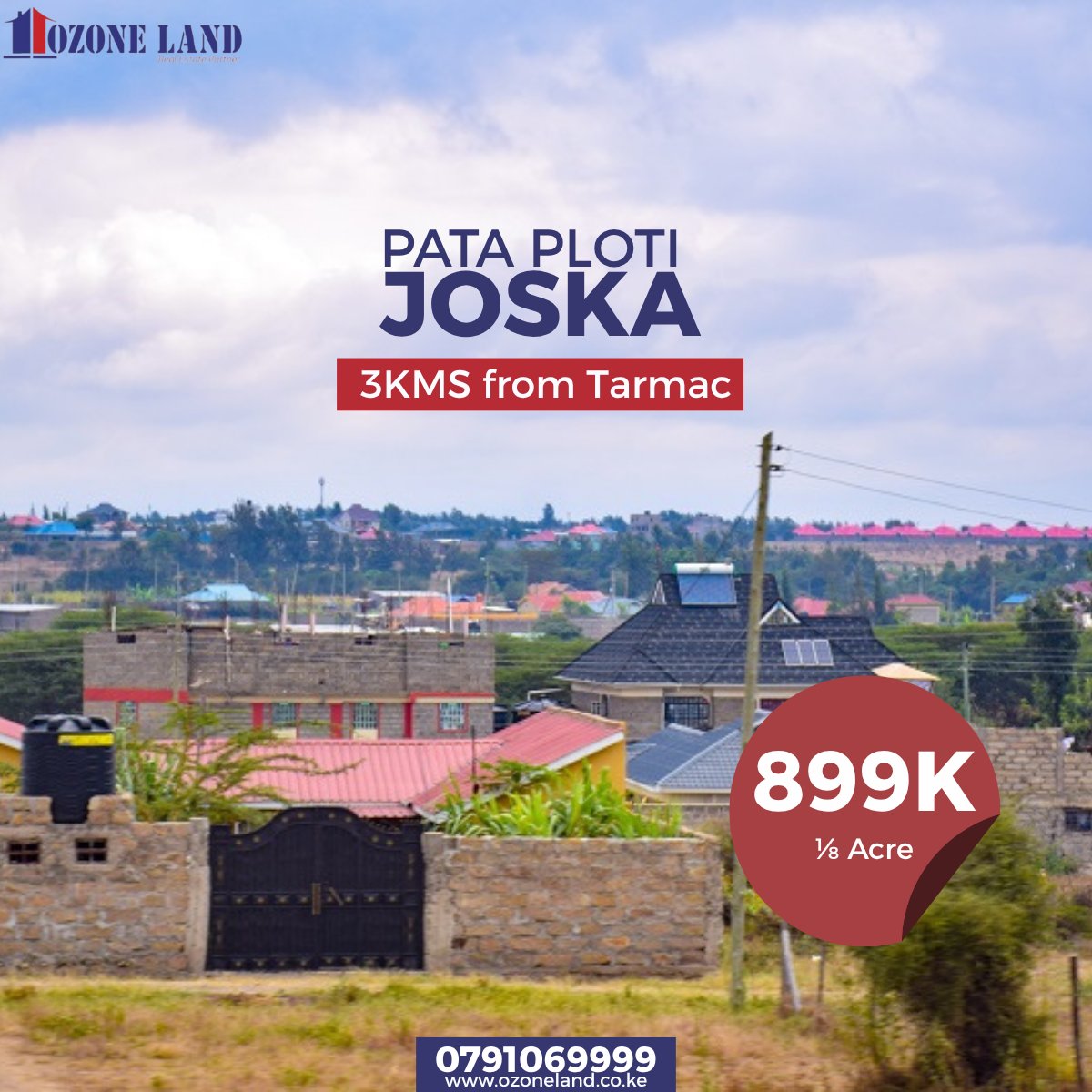
Plots close to major roads or tarmac, for example, can offer greater accessibility and visibility, particularly for commercial developments.
Young investors should avoid choosing land solely because the price looks cheap. Affordable land in the right location can be more valuable than simply buying the cheapest plot available.
- You Can Start Small
One misconception among young people is that you need millions of shillings to buy land.
That is not necessarily the case. Different locations have different prices, and some property companies provide flexible payment plans that allow buyers to pay a deposit and clear the balance over an agreed period.
This makes land ownership more accessible to young professionals, entrepreneurs, Chamas and other groups working toward their financial goals.
Instead of waiting until you can afford an expensive property, you can research affordable opportunities and start with what fits your budget.
- Consider Your Financial Priorities
Before choosing between a car and land, ask yourself what you actually need.
If you require a vehicle for your business or daily work, buying a car may make sense.
But if you already have reliable transport and your bigger goal is building assets, land could deserve greater priority.
A useful approach is to distinguish between what you need now and what you want to build for the future.
A car can improve your lifestyle today. Land can form part of your long-term investment strategy.
- Always Do Due Diligence Before Buying Land
If you decide to invest in land, don’t rush simply because you have found an attractive price.
Conduct proper due diligence. This can include confirming ownership, conducting an official land search, verifying the property’s details, checking the title deed and visiting the actual property.
You should also understand the terms of sale and ensure that the necessary documentation is properly prepared.
A site visit before buying land is particularly important because it allows you to see the location, access roads and surrounding developments for yourself.
So, Land or a Car?
There is no universal answer. Your decision should depend on your circumstances.
If a car is essential for your livelihood, transport or business, it can be a worthwhile purchase.
But if you already have your transport needs covered and want to start building long-term assets, land can be a powerful first investment for a young Kenyan.
The key is not simply to buy land. It is to buy the right land, in the right location, at the right price and with proper documentation.
Start Small, Build for the Future
You don’t have to wait until you are wealthy to start investing.
Whether you’re a young professional, entrepreneur, member of a Chama or Kenyan living abroad, owning your first plot can be an important step toward building your financial future.
At Ozone Land Investments Ltd, we help buyers understand the land ownership process and explore affordable property opportunities.
Your car can take you places. Your land can give you somewhere to build.
The question is: What are you choosing to build for your future in 2026?