
Buying land is one of the most important investments you can ever make. Whether you are purchasing for residential, commercial, or agricultural purposes, owning land gives you a sense of security and financial growth. However, many first-time buyers make the mistake of focusing only on the price and location, while overlooking one of the most critical aspects of land ownership—the title deed.
A land title deed is the official document that proves ownership of a piece of land. Without it, your investment is not fully secure. In Kenya and most parts of the world, a genuine title deed is the difference between safe ownership and future disputes. If you are planning to buy land, here are key things you should know about land title deeds.
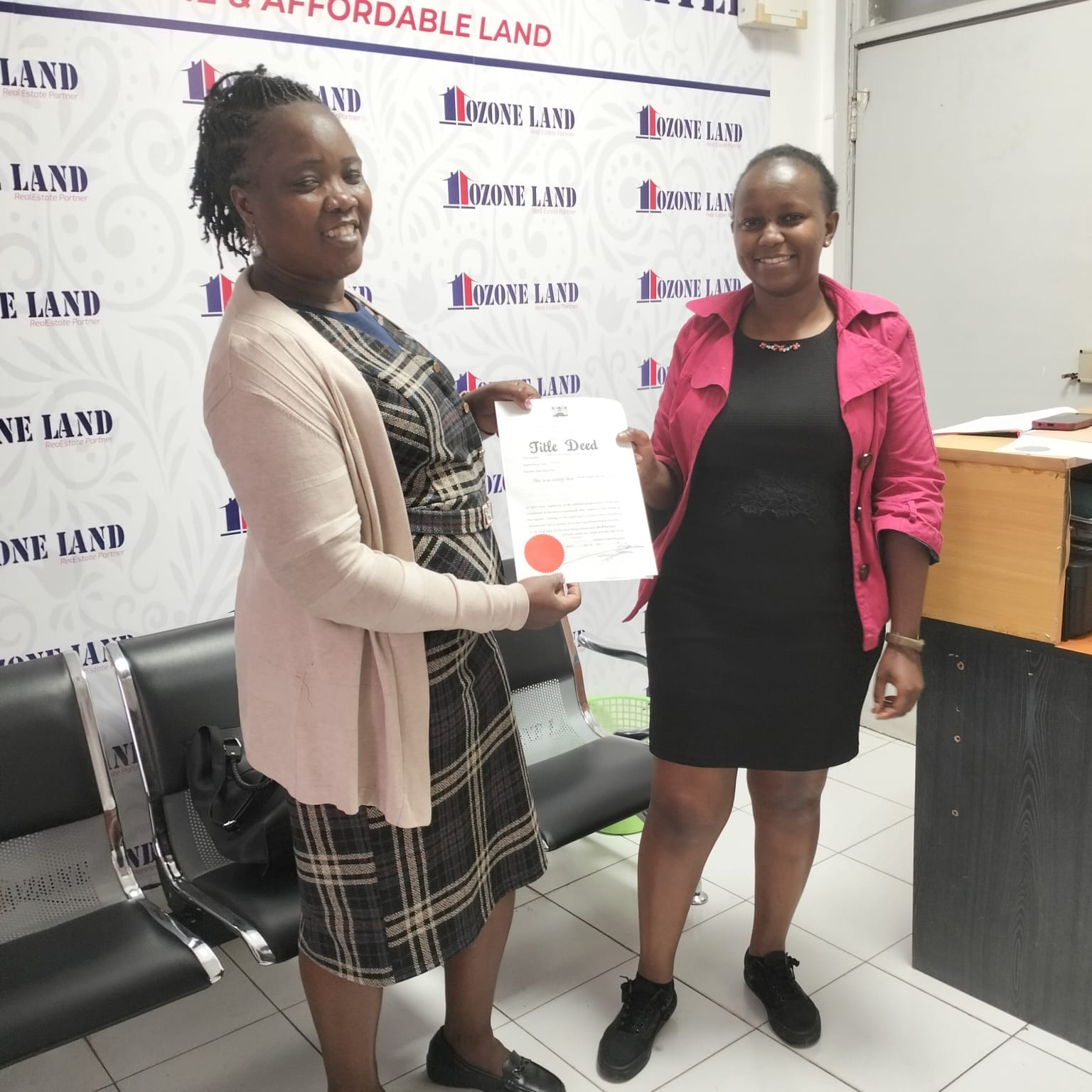
- Importance of a Title Deed
A title deed is more than just a piece of paper; it is legal proof that you are the rightful owner of a parcel of land. It gives you the legal right to use, develop, lease, or even sell the property. Without it, you cannot transfer ownership or access loans using your land as collateral. Simply put, if the land does not have a title deed, then the risk of fraud and disputes is very high.
- Types of Title Deeds in Kenya
Before making any purchase, it’s important to know the different types of title deeds issued:
Freehold Title Deed: Gives the owner absolute ownership of the land without any time restrictions. It is the most secure type of title deed, common in agricultural and residential lands.
Leasehold Title Deed: This type grants land ownership for a specific period, usually 33, 50, or 99 years. After expiry, the lease can be renewed. Most urban plots fall under leasehold.
Understanding the type of title deed you are buying is crucial, as it determines how long you will legally own and control the property.
- Verifying a Title Deed
Fraud in land transactions is common, and many people have lost their hard-earned money by purchasing land with fake or disputed title deeds. To avoid such risks, you must verify the title deed at the Ministry of Lands or relevant Land Registry.
Here’s how you can verify a title deed:
Request a copy of the title deed from the seller.
Conduct an official search at the Lands Office to confirm ownership details.
Cross-check whether the land is charged (used as loan security), has caveats, or is under dispute.
Never rely only on photocopies or verbal assurances from the seller or agent. An official land search is the safest way to confirm authenticity.
- Title Deed vs. Allotment Letter
Many buyers confuse an allotment letter with a title deed. An allotment letter is simply a document showing that land has been allocated to an individual, but it is not proof of ownership. Until a title deed is processed and issued, the government still retains ownership rights.
If you are offered land with only an allotment letter, ensure that the process of converting it into a title deed is complete before making full payment.
- Joint vs. Individual Ownership
Another important detail in a title deed is the ownership structure. Land can be owned individually, where only one person’s name appears on the deed, or jointly, where multiple owners are listed. For married couples, the law allows both names to appear on the title deed to protect each spouse’s interests.
If you are buying land with a partner, relative, or spouse, ensure that the ownership arrangement is clearly captured on the deed. This prevents conflicts in the future.
- Subdivisions and Mother Title
When land is subdivided, each buyer should receive an individual title deed for their portion. Be cautious when a seller promises that the title deeds will be issued later. Always confirm that the land has a mother title and that subdivision approvals have been granted by the relevant authorities.
Owning a plot without an individual title can expose you to risks if disputes arise among buyers or if the mother title is under legal issues.
- Transfer of Title Deeds
Once you purchase land, the transfer of ownership must be done at the Lands Office. The seller signs a transfer form, and the buyer’s name is officially entered in the land registry. After paying the necessary stamp duty and registration fees, a new title deed is issued in your name.
This process ensures that your ownership is recognized by law. Always follow up to confirm that the transfer has been completed, instead of relying on promises.
- Dangers of Buying Land Without a Title Deed
Some plots are sold without title deeds, especially in areas where land disputes are common or subdivisions have not been approved. Buying such land can lead to major problems, including:
Eviction due to government repossession.
Loss of money if the seller never had ownership rights.
Inability to secure loans or sell the property.
To protect your investment, avoid land that lacks a clear and valid title deed.
- Working with Professionals
To safeguard your interests, always involve professionals in the land-buying process:
A lawyer to review contracts and oversee transactions.
A surveyor to confirm land boundaries and measurements.
A lands officer to confirm the authenticity of documents.
These professionals may cost you extra, but they save you from bigger losses in the future.
Final Thoughts
A land title deed is the single most important document in property ownership. It proves ownership, protects your investment, and gives you peace of mind. Before committing your money, always confirm the type, authenticity, and transfer process of the title deed. Remember, buying land without a title deed is like building a house on quicksand—it may look promising, but it can collapse anytime.
Take time, do due diligence, and ensure that you walk away not just with a piece of land, but with a genuine title deed in your name. That is when you can confidently say you own land.