Introduction
Purchasing or selling land is a significant investment that requires careful evaluation to ensure a smooth transaction. One crucial step in this process is land inspection, which helps verify ownership, physical conditions, and legal status. A thorough land inspection ensures buyers acquire genuine property while enabling sellers to streamline the sale by addressing potential issues beforehand. This blog will explore the land inspection process in detail, highlighting its benefits for both buyers and sellers.

The Land Inspection Process
1. Preliminary Research and Document Review
Before stepping foot on the property, both buyers and sellers should conduct thorough research on the land. This includes reviewing:
- Title deed to confirm ownership legitimacy.
- Zoning regulations to understand permissible land uses.
- Previous ownership records to detect potential disputes.
- Encumbrances and restrictions that may limit land use or resale.
By analyzing these documents, buyers can determine whether the property is legally sound, while sellers can ensure compliance with necessary regulations to facilitate a seamless transaction.
2. Physical Land Inspection
A site visit is essential for assessing the land’s suitability, accessibility, and physical condition. Key aspects examined include:
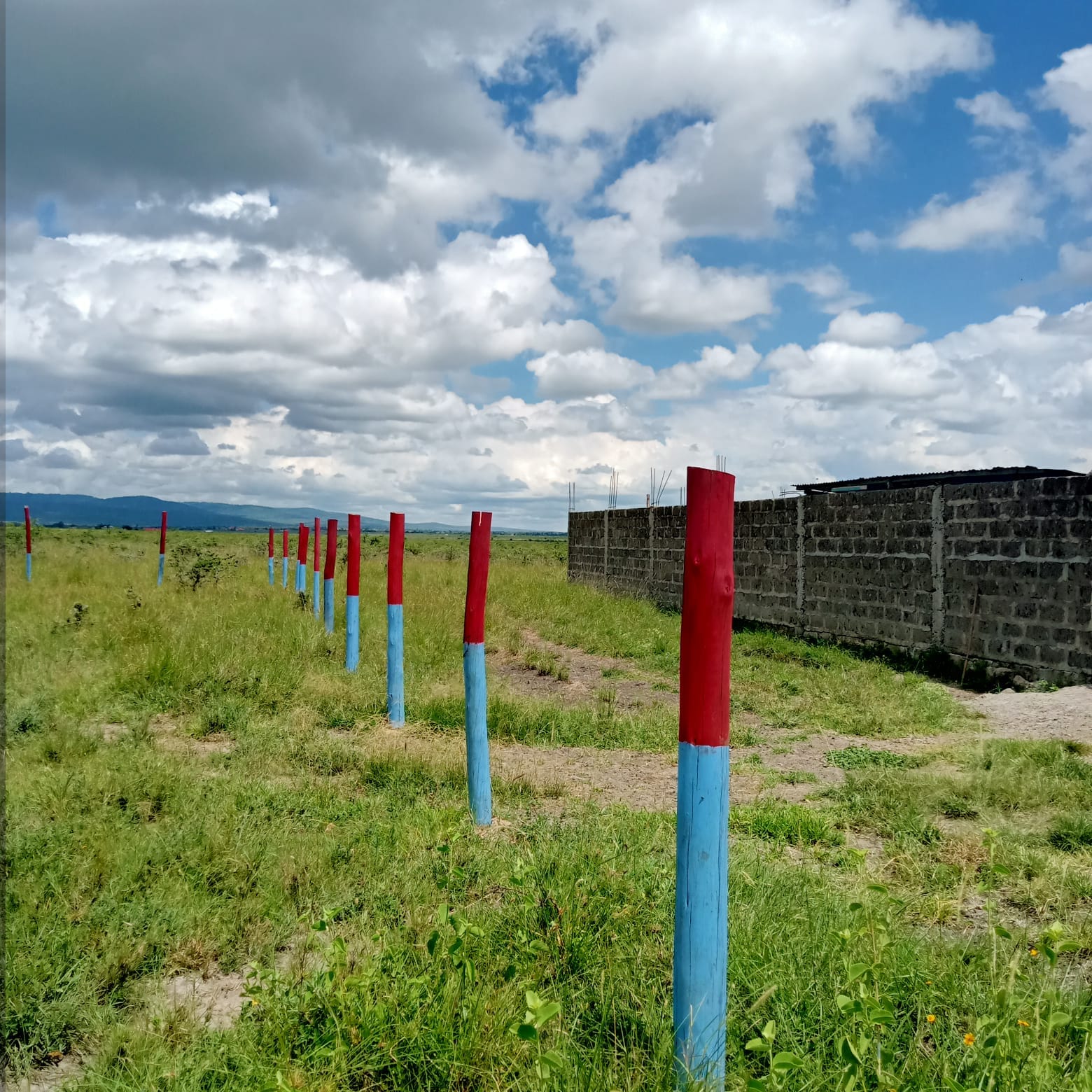
- Boundary markers: Ensuring physical boundaries match those stated in official records to avoid disputes.
- Topography and soil condition: Evaluating terrain, drainage, and soil fertility, especially for agricultural or construction purposes.
- Infrastructure access: Checking availability of utilities such as water, electricity, roads, and sewage systems.
- Environmental factors: Identifying risks such as flooding, erosion, or pollution that may affect land usability.
A thorough physical inspection helps buyers make informed decisions while allowing sellers to address any shortcomings before finalizing the sale.
3. Land Survey and Professional Assessment
Hiring a land surveyor or inspector is critical in verifying technical aspects such as:
- Accurate land measurements to confirm size and prevent boundary disputes.
- Identification of potential encroachments by neighboring properties.
- Compliance with zoning laws and building regulations.
Surveyors provide an official report outlining the land’s boundaries, topographical details, and potential concerns, making it an invaluable resource for both parties.
4. Legal Verification and Due Diligence
A legal professional should review the land’s ownership status to confirm that there are no disputes or claims that may interfere with the transaction. This step includes:
- Confirming title authenticity to prevent fraud.
- Checking for outstanding rates and taxes that may be transferred to the buyer.
- Ensuring proper transfer processes to secure legal ownership.
Engaging a lawyer or real estate expert enhances transparency and protects both buyers and sellers from legal complications.
5. Government Approvals and Certifications
Local government offices provide essential land-related certifications that confirm compliance with legal requirements. For buyers, this ensures that the land can be legally used for its intended purpose, while sellers may need zoning approval before transferring ownership. Common certifications include:
- Land use permits for construction, business, or agriculture.
- Environmental compliance certificates for eco-sensitive areas.
- Property clearance documents to confirm ownership and tax payments.
Securing approvals early can prevent delays and increase trust between buyers and sellers.
Benefits of Land Inspection
Benefits for Buyers
- Prevents fraud and ownership disputes by verifying legitimate ownership.
- Ensures land suitability by assessing soil, accessibility, and zoning regulations.
- Protects financial investment by identifying potential risks such as encroachments or legal conflicts.
- Provides negotiation leverage based on inspection findings (e.g., hidden environmental hazards).
- Guarantees legal compliance to avoid future penalties or legal battles.
Benefits for Sellers
- Enhances credibility by presenting verified land details to buyers.
- Speeds up the selling process by ensuring documents and approvals are in order.
- Increases property value by demonstrating compliance and good maintenance.
- Reduces legal risks by resolving potential issues before the sale.
- Strengthens buyer confidence, making it easier to close deals successfully.
Conclusion
The land inspection process is essential for both buyers and sellers, ensuring transparency, security, and legal compliance in property transactions. Buyers benefit from a comprehensive assessment that protects them from fraud, while sellers enjoy a smoother sales process by providing verified land details. By following a structured inspection process—covering research, physical evaluation, surveying, legal verification, and government approvals—both parties can make informed decisions and safeguard their investments.
Taking time to conduct proper land inspections is not just advisable—it’s a necessity in securing reliable and profitable property transactions. Whether buying or selling, embracing due diligence ensures long-term success and financial security.