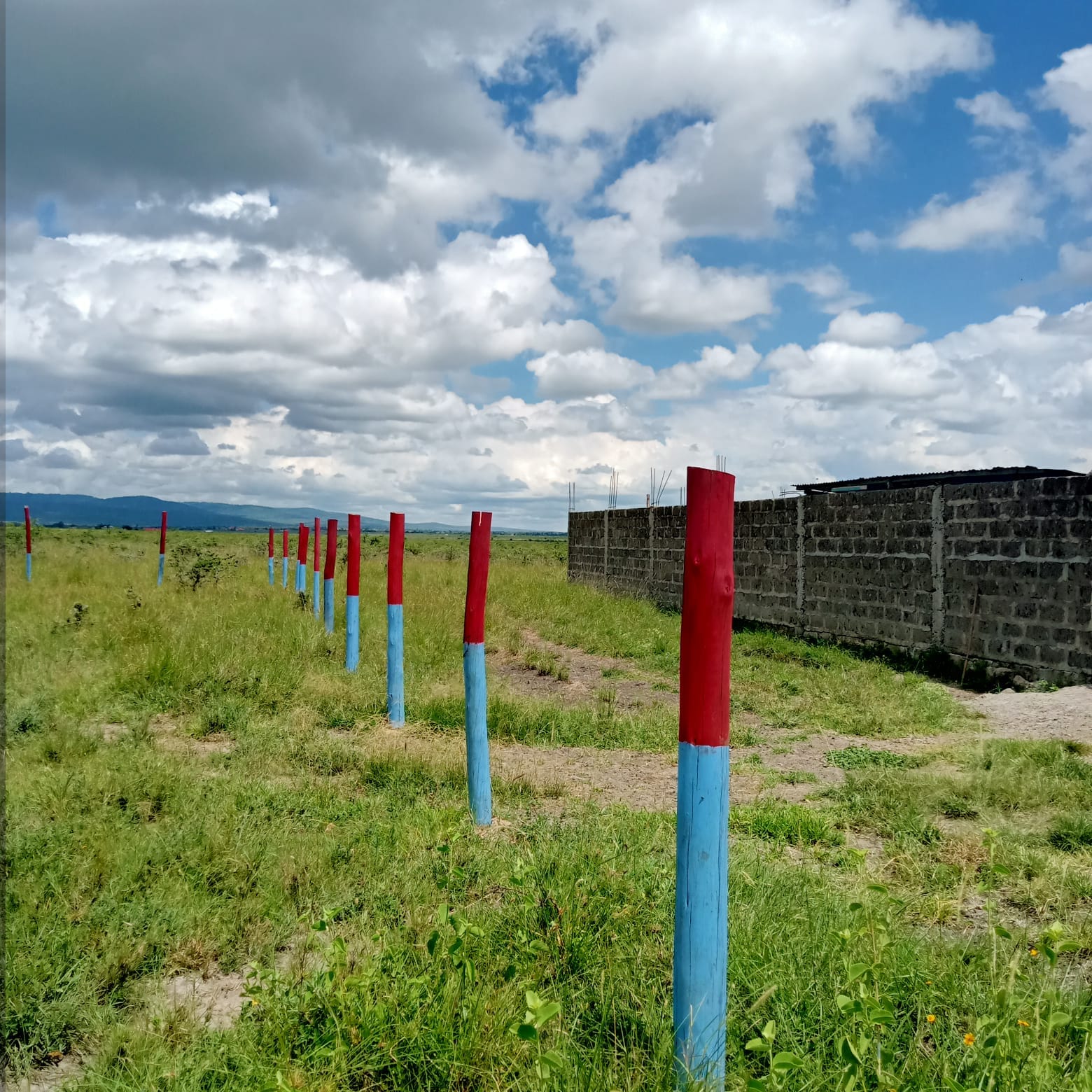
Buying land in Kenya has always been seen as one of the most secure investments. In 2026, with digitized platforms like Ardhisasa and online listings, the process is easier than ever. Yet, despite these advancements, many buyers still fall into costly traps. Whether you’re a first-time investor or a seasoned land buyer, avoiding these mistakes can save you money, stress, and disappointment.
1. Skipping Title Deed Verification
One of the biggest mistakes buyers make is failing to verify the authenticity of a title deed. Fraudulent or double-issued titles remain a common problem in Kenya.
- Always conduct a title search on Ardhisasa or at the Lands Registry.
- Confirm that the seller’s name matches the registered owner.
- Check for encumbrances such as loans, disputes, or caveats.
Without this step, you risk losing your investment to fraud or legal battles.
2. Ignoring Physical Inspection
Online listings and glossy brochures can be misleading. Many buyers skip visiting the land physically, only to discover later that the plot is on a road reserve, riparian land, or has poor access.
- Inspect the beacons to ensure they match survey maps.
- Check terrain, drainage, and accessibility.
- Confirm availability of water, electricity, and road networks.
A physical visit helps you avoid surprises and ensures the land is suitable for your intended use.
3. Overlooking Legal Oversight
Trying to save money by skipping a lawyer is another costly mistake. A licensed advocate ensures that the transaction is legally binding and protects your interests.
- Draft a proper sale agreement with clear payment terms.
- Pay stamp duty online (4% in urban areas, 2% in rural).
- Ensure the transfer is registered and a new title deed is issued in your name.
Legal oversight prevents disputes and guarantees that your ownership is recognized by law.
4. Falling for Unrealistic Payment Plans
Many developers attract buyers with installment plans that sound too good to be true. Hidden charges, unclear timelines, and delayed title issuance are common pitfalls.
- Confirm that payment plans are transparent and documented.
- Ensure title deeds are issued upon completion of payments.
- Avoid deals that pressure you to pay deposits quickly without verification.
A genuine seller will provide clear terms and allow you time for due diligence.
5. Buying Without Considering Location Growth
Cheap land isn’t always a good deal. Many buyers focus only on price, ignoring whether the location has growth potential.
In 2026, areas like Malaa (KES 799K), Kantafu (KES 649K), Joska (KES 899K), Komashrines (KES 699K), and Matuu (KES 295K) are trending because they balance affordability with infrastructure growth.
- Malaa: Commuter-friendly, strong appreciation.
- Kantafu: Affordable entry point for first-time buyers.
- Joska: Rapid appreciation, ideal for estates.
- Komashrines: Scenic gated community living.
- Matuu: Budget-friendly land banking.
Choosing the right location ensures your investment grows in value.
Quick Recap Table
| Mistake | Impact | Solution |
|---|---|---|
| Skipping title deed check | Risk of fraud | Verify on Ardhisasa |
| Ignoring inspection | Buying unusable land | Visit and confirm beacons |
| No lawyer | Weak agreements | Hire licensed advocate |
| Unrealistic payment plans | Hidden costs | Demand transparency |
| Wrong location | Poor appreciation | Choose growth corridors |
Final Word
In 2026, buying plots in Kenya is easier thanks to digitization, but the fundamentals haven’t changed: verify, inspect, and seek legal oversight. Avoiding these five mistakes will protect your investment and ensure you secure land that appreciates in value.
Whether you’re eyeing commuter towns like Malaa and Kantafu, appreciating hotspots like Joska, lifestyle estates in Komashrines, or budget-friendly land banking in Matuu, the opportunities are vast. The key is to combine modern convenience with timeless caution.