In today’s fast‑paced world, the spaces we live, work, and gather in are more than just physical structures. They are communities, and what makes a community thrive are the social amenities available on site. These amenities—ranging from recreational facilities to essential services—play a crucial role in enhancing quality of life, fostering social interaction, and supporting holistic well‑being. Let’s take a closer look at the wide spectrum of social amenities that can be found on site and why they matter.

🏠 Housing and Accommodation
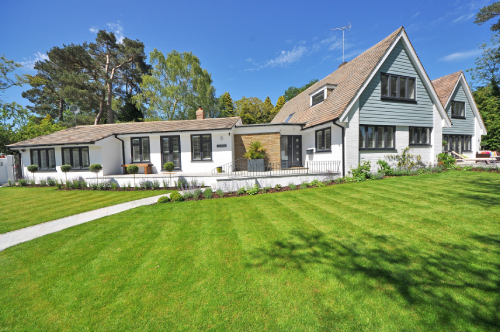
At the heart of any site are residential facilities. Whether it’s apartments, dormitories, or staff housing, well‑designed accommodation ensures comfort and safety. Housing amenities often include:
- Adequate water supply and sanitation
- Reliable electricity and internet connectivity
- Security systems such as CCTV and gated access These features provide residents with peace of mind and a stable environment to build their lives.
🍎 Food and Dining Services
Food is a universal connector, and on‑site dining amenities bring people together. Cafeterias, restaurants, and food courts offer convenience and variety. Many modern sites also include:
- Healthy meal options
- Local cuisine to celebrate cultural diversity
- Spaces for communal dining that encourage social bonding Access to quality food services reduces the stress of meal preparation and supports balanced nutrition.
🏥 Health and Wellness Facilities
Health amenities are indispensable. On‑site clinics, pharmacies, and wellness centers provide immediate care and preventive services. Fitness centers, yoga studios, and outdoor exercise spaces further promote physical well‑being. Together, these facilities:
- Reduce downtime by offering quick medical attention
- Encourage active lifestyles
- Support mental health through stress‑relieving activities
📚 Educational and Learning Spaces
Knowledge is power, and sites that include libraries, study rooms, and training centers empower their communities. Educational amenities may also extend to:
- Childcare and early learning centers
- Skill development workshops
- Digital learning hubs with access to online resources These spaces nurture growth and lifelong learning, making them vital for both children and adults.
🎉 Recreational and Leisure Facilities
Recreation is not a luxury—it’s a necessity. On‑site recreational amenities provide opportunities to relax, recharge, and connect. Common examples include:
- Sports fields and courts for football, basketball, or tennis
- Swimming pools and gyms
- Parks, gardens, and walking trails Such facilities encourage teamwork, healthy competition, and a sense of community spirit.
🛍️ Shopping and Retail Services
Convenience is key, and on‑site retail outlets save time and effort. From supermarkets to small kiosks, these amenities ensure access to daily essentials. They may also include:
- Bookstores and stationery shops
- Clothing and accessory outlets
- Specialty stores for unique local products Retail amenities contribute to economic activity and provide residents with easy access to goods.
🚍 Transportation and Connectivity
Mobility is another cornerstone of community life. On‑site transportation services—such as shuttle buses, bike‑sharing programs, and parking facilities—make commuting easier. Reliable connectivity also includes:
- Road networks within the site
- Charging stations for electric vehicles
- Public transport links to nearby areas These amenities reduce travel stress and improve accessibility.
🎭 Cultural and Social Spaces
Culture enriches community life, and on‑site cultural amenities celebrate diversity. Auditoriums, theaters, and art galleries provide platforms for creativity and expression. Social spaces such as community halls and clubs encourage:
- Celebrations of festivals and traditions
- Talent showcases and performances
- Networking and social gatherings These amenities strengthen bonds and foster inclusivity.
💼 Work and Professional Services
For sites that host workplaces, professional amenities are equally important. Co‑working spaces, meeting rooms, and business centers support productivity. On‑site banking services, postal facilities, and administrative offices add convenience. Together, they:
- Streamline professional tasks
- Encourage collaboration
- Provide essential support for daily operations
🌱 Environmental and Sustainability Features
Modern communities increasingly value sustainability. On‑site green amenities include:
- Recycling stations
- Solar energy systems
- Community gardens and green rooftops These features not only reduce environmental impact but also instill a sense of responsibility among residents.
🛡️ Safety and Security
Safety amenities are fundamental. Fire stations, emergency response units, and security patrols ensure preparedness for unforeseen events. Clear signage, well‑lit pathways, and accessible emergency exits further enhance safety. These measures:
- Protect lives and property
- Build trust within the community
- Create a secure environment for all activities
🌐 Digital and Technological Amenities
In the digital age, technology is a social amenity in itself. High‑speed internet, smart infrastructure, and digital kiosks make life more efficient. Online platforms for booking facilities or reporting issues improve transparency and convenience. These amenities:
- Connect residents globally
- Support remote work and learning
- Simplify community management
Conclusion
Social amenities on site are more than conveniences—they are the lifeblood of thriving communities. From housing and healthcare to recreation and culture, each amenity contributes to a holistic environment where people can live, work, and grow together. Investing in comprehensive social amenities is not just about infrastructure; it’s about nurturing human connections, enhancing well‑being, and building sustainable communities for the future.