
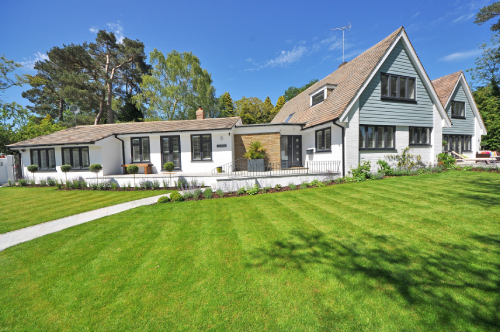
As urban centers grow busier and more crowded, more people are choosing to step away from the hustle and bustle of city life and embrace the calm of suburban and rural areas. Living outside the city is no longer seen as a downgrade—it is a lifestyle upgrade that offers peace, space, and long-term investment value. Whether you are a young family, a retiree, or an investor, the benefits of owning or living on land away from the city are undeniable.
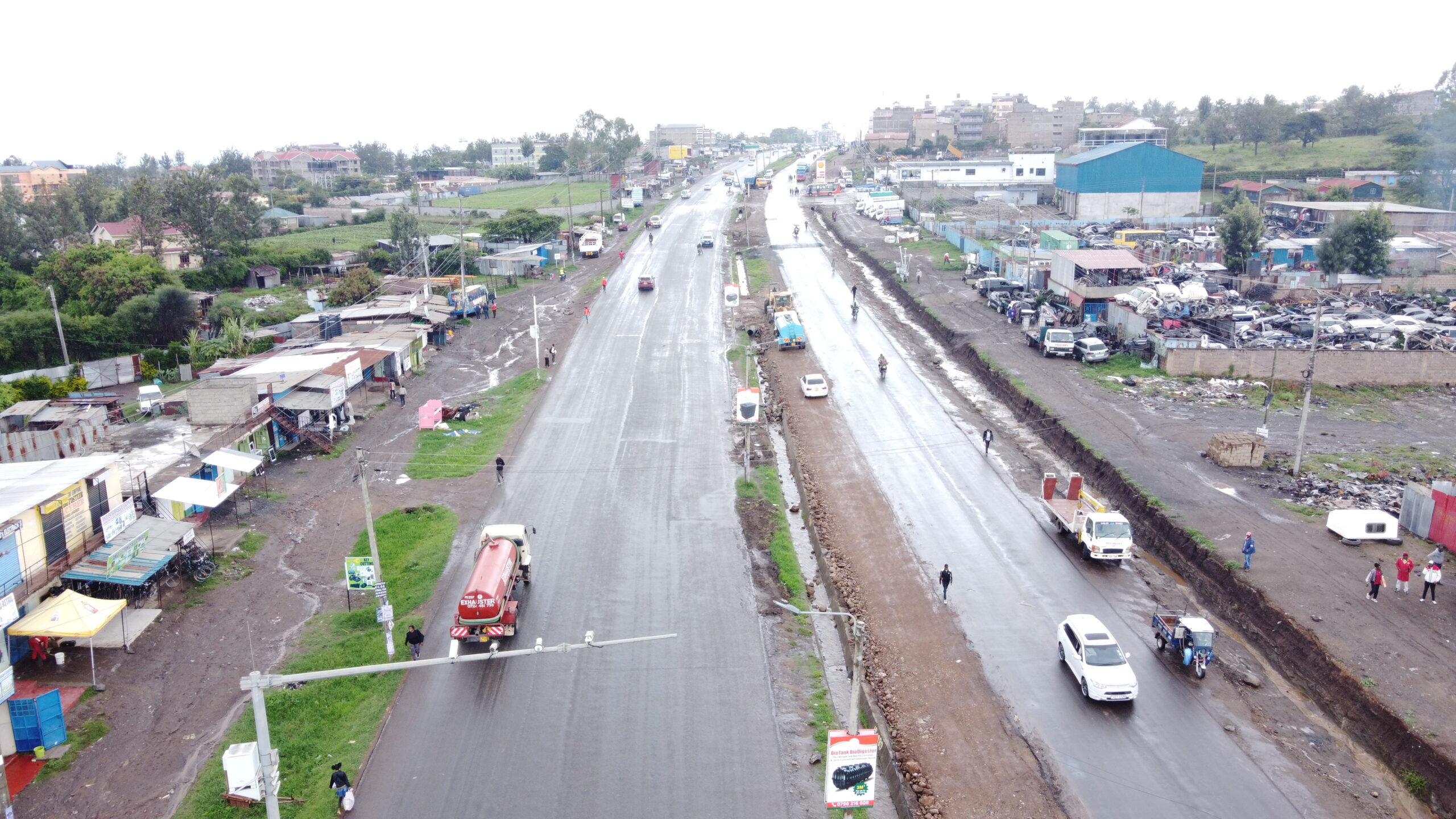
🕊️ 1. Peace and Better Quality of Life
Life in the city often means constant traffic, noise, pollution, and a fast-paced lifestyle. In contrast, living outside the city allows you to enjoy peace and quiet—something money can’t always buy. The mornings are calm, the air is cleaner, and the nights are filled with stars rather than headlights.
Many people are discovering the mental and emotional benefits of living in quieter areas. Reduced noise and pollution levels help lower stress, anxiety, and fatigue. With more natural surroundings, residents are also more likely to spend time outdoors walking, exercising, or simply relaxing, which contributes to better overall health and happiness.
🌳 2. More Space for Families and Personal Freedom
Land in urban areas is limited and expensive. Outside the city, you get more land and larger home spaces at a lower cost. This gives people the opportunity to build bigger homes, create gardens, have backyards, or even start small farming projects.
Families especially benefit from this extra space. Children have room to play outside, breathe fresh air, and engage with nature rather than being confined to small apartments or gated balconies. Homeowners also have the freedom to expand, add rental units, build a guest house, or create recreational areas like a home garden, gazebo, or swimming pool—things that are often impossible or too expensive in the city.
🏡 3. Affordable Cost of Living
Life outside the city usually comes with a lower cost of living. Land is cheaper, rent is lower, and basic goods and services can be more affordable. Utility costs such as water and electricity can also be lower, especially if one invests in alternative options like solar power, boreholes, rainwater harvesting, or energy-efficient systems.
For young professionals and families, this means they can own property sooner rather than spend years paying high city rent. Instead of using their income on expensive apartments in the city, they can invest in land, build a home gradually, and create generational wealth.
📈 4. High Investment Value and Growth Potential
Rural and suburban land often appreciates faster than expected—especially in areas close to growing towns, new highways, industrial parks, or upcoming cities. With Kenya’s continuous infrastructure development, areas such as Kitengela, Juja, Ngong, Malindi, and Nanyuki have experienced rapid growth in land value.
Investors are now buying land outside cities and either waiting for appreciation or developing it into holiday homes, rental houses, Airbnb cottages, or farming businesses. As towns expand and demand rises, these once-quiet locations become prime real estate hotspots, offering high returns on investment.
🚗 5. Improved Infrastructure and Accessibility
A few years ago, living far from the city meant poor roads, limited electricity, and slow internet. Today, that narrative has changed. Governments and private developers are investing heavily in infrastructure—better roads, fibre internet, electricity connections, schools, hospitals, and shopping centres.
With improved transport systems like the Nairobi Expressway and new bypasses, commuting from satellite towns to the city for work or business has become easier and faster. This means you can enjoy peaceful living without completely disconnecting from urban opportunities.
🌱 6. Opportunity for Agriculture and Self-Sustainability
Owning land outside the city opens up opportunities for farming, livestock keeping, and agribusiness. Even a small piece of land can support a kitchen garden, poultry, dairy cows, or greenhouse farming. This not only reduces household food expenses but can also become a source of extra income.
Additionally, many people are now embracing sustainable living practices—using solar panels, biogas, and rainwater harvesting. These reduce dependence on monthly utility bills and promote a more self-reliant lifestyle.
💡 Final Thoughts
Living outside the city is more than just a change of address—it is a lifestyle that offers peace, space, and financial growth. With affordable land, fresh air, and rising investment opportunities, more people are realizing that the future of living might not be in crowded cities but in well-planned, tranquil environments just beyond them.
Whether you’re planning to relocate, invest, or simply build a weekend getaway home, choosing land outside the city is one of the best decisions you can make for your wellbeing and financial future.